
When My Mother Was Young
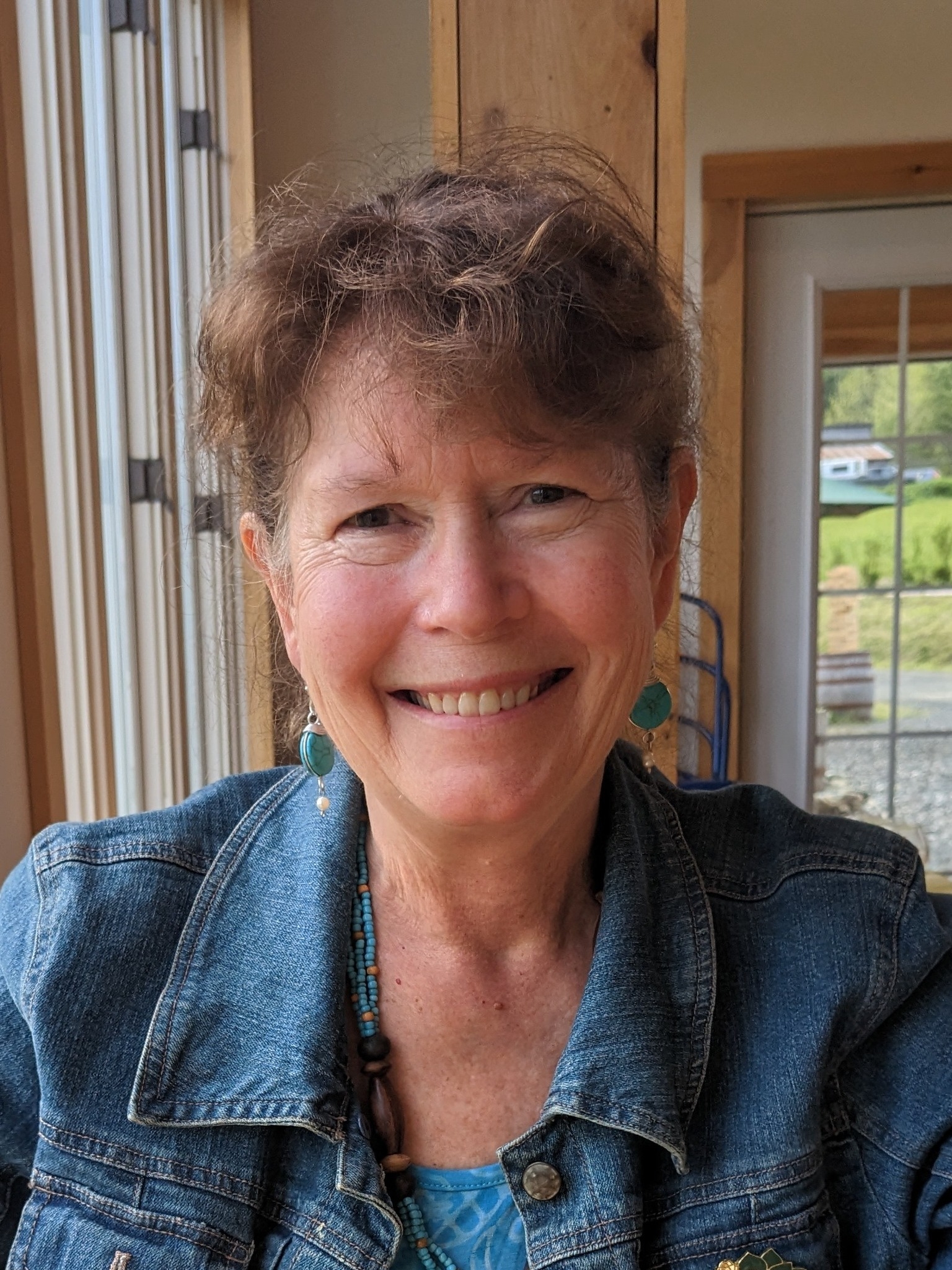

Editor's note: Our Monday morning writers group has been meeting since 2010. The prompt for our last meeting was "When Our Mothers Were Young." This essay by a former teacher of humanities at a Vermont high school mirrors what many of us are feeling at this critical moment in American history.
Tina Corsi O'Donnell
My mother arrived in the world on November 20, 1932, in New Rochelle, New York. That month, 3,800 miles away, Germany’s increasingly popular Nazi party, seen by the masses as the answer to rising inflation, hunger, and unemployment, held strong in the country's elections. Earlier that year, a charismatic rising star in the party, Adolf Hitler, had challenged President Paul von Hindenburg in a run-off. Hindenburg, the general who’d led the imperial army in WWI, prevailed and was eventually re-elected to the presidency, with the Nazi party maintaining a majority of seats in the Reichstag. On January 30, 1933, President Hindenburg appointed his previous challenger, Adolf Hitler as the Chancellor of Germany.
Just four weeks after Hitler was sworn into office, a disgruntled, unemployed Dutchman set fire to the Reichstag. Hitler’s response to the fire was to blame the radical Communist Party and declare a national emergency to save the country from a “violent Communist uprising.” To enable swift action, the government immediately passed the Reichstag Fire Decree, an act that abolished a host of civil liberties that had been protected by the Constitution: freedom of the press, freedom of speech, freedom of assembly, and the right to due process. The decree also limited the power of state and local governments. These restrictions opened the door for widespread, warrantless arrests of communists as well as others seen as political threats to the government. By March 22 of 1933, Dachau, a detention facility for political prisoners, was opened, and one day later, the “Enabling Act” was passed, allowing Hitler to enact laws without the consent of the Reichstag. Within two weeks, orders calling for boycotts of Jewish businesses and laws banning Jews any civil service jobs were enacted. Eventually, German Jews were stripped of citizenship, international treaties were broken, Hitler re-militarized the Rhineland and began seizing territory for Germany: Austria, Czechoslovakia, Poland . . .
We all know where the story goes from here. Somehow, 93 years later, these horrifying events have become chillingly familiar—right here in a country where just ten years ago, we would have thought it ludicrous that the United States could be on a path so similar to that of Germany in the 1930s—when my mother was a child.
I wake each morning wanting to avoid reading the news, to just sip tea, feed the birds, watch the snow come down and reminisce about simpler, kinder, happier days. But avoidance is not an option if one wants the world to be safe for our neighbors, our friends, our children and grandchildren. The heinous acts filling the news each day scream for action. Action that feels futile—and increasingly dangerous.
When my mother was young, her world was one of hard work and limited food. The world across the ocean was marching through hell to extinction. Somehow, the better forces prevailed in WWII. I try each day to hold tight to the hope that the goodness of humanity will find a way to prevail here and now, and to do what bits I feel I can to nurture and spread that hope. But it is hard. And scary. And I am grateful for the family and communities I am a part of. And to be here, now, connected with this group of women who are the best of humanity.
Above: Victor Hugo's ink well. Photograph by Sara Tucker


